


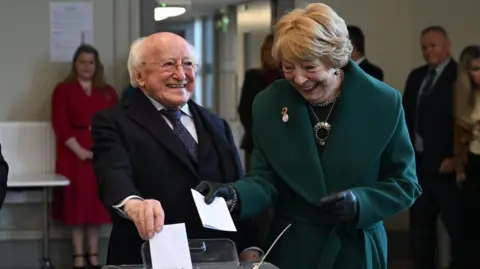
Voting has wrapped up in the presidential race in Ireland, which will settle who takes over from current head of state Michael D Higgins in the eleventh month.
The leading competitors - Catherine Connolly and Heather Humphreys - must remain patient until Saturday's early hours for the first indication of how the country has cast ballots before learning if they will become the tenth president of Ireland.
Initial estimates indicate the election attendance could possibly fail to reach the record low of just under 40% registered in the last presidential election.
Counting Process
The vote counting begins at 09:00 local time on Saturday and the final outcome is expected to be revealed at the historic castle that Saturday evening.
The head of state is selected by PR system via the single transferable vote (PR-STV) process.
Ballots were cast at approximately 5,500 voting stations in 43 voting regions around the nation between 7 AM and 22:00 on Friday.
Election Contenders
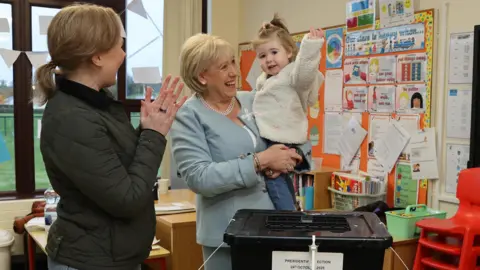
Catherine Connolly is running as an non-aligned contender with the backing of a broad base of left-leaning parties and political figures, including the main opposition party Sinn Féin.
The coalition government party, Fine Gael, is supported by former government minister, Heather Humphreys, who comes from a Protestant background in the boundary area of Monaghan.
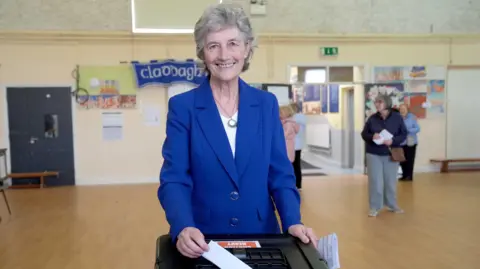
A other aspirant, Jim Gavin, who was selected by the leading alliance member, Fianna Fáil, withdrew from the election bid earlier in October after intense controversy over a long-standing rental issue.
Nonetheless, as his exit came after the nomination deadline, the legislation states his name must stay on the voting slip.
Any votes cast for him will be registered as legitimate and passed on to the two other candidates if required.
Voter Information
According to An Coimisiún Toghcháin, Ireland's official voting body, about 3.6 million eligible Irish nationals are eligible to participate.
Those voting on election day included a centenarian, age 104, who made her way to a voting location close to her home in Dublin.
Irish residents in the northern region are unable to vote in the vote.
But, as transpired in the situation of former President Mary McAleese, Irish citizens from Northern Ireland are permitted to run in the presidential race, even though they may not vote.
This anomaly is the subject of an ongoing debate and cross-border campaigners have been advocating to have electoral privileges expanded to Irish individuals in Northern Ireland.
Michael D Higgins is expected to finish the latter of his successive seven-year terms at the witching hour on the November 10th, with the successor projected to be sworn in the subsequent day.


